

PTFE Lined Reducing Flanges
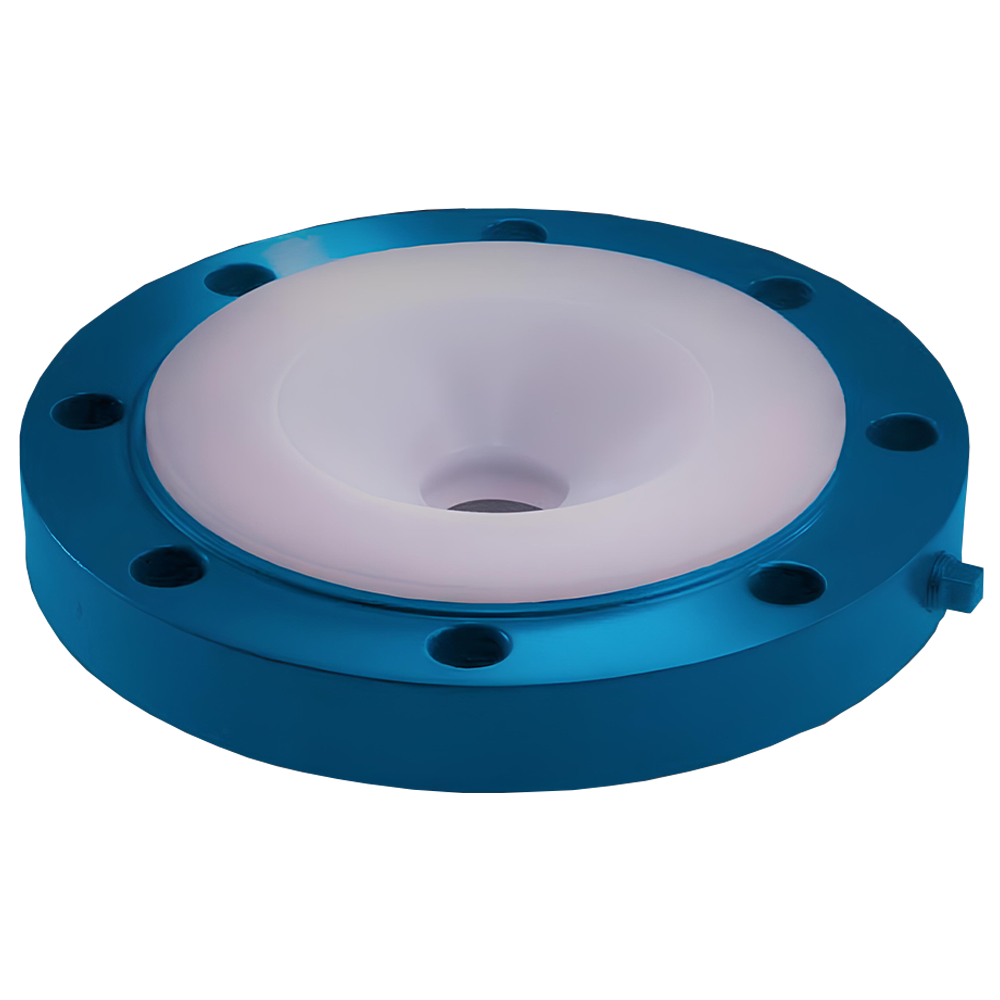


PTFE Lined Reducing Flanges Manufacturer
Mayur (Valves) System Private Limited, an ISO 9001:2015-certified company, has been a trusted PTFE Lined Reducing Flanges manufacturer and exporter since 1978. We deliver high-performance flange solutions engineered for corrosive, abrasive, or ultrapure applications. Our PTFE-lined reducing flanges enable smooth transitions between different pipeline diameters while maintaining corrosion protection and secure sealing. We export to 40+ countries, ensuring consistent quality, timely delivery, and a smooth customer experience.
These reducing flanges are available in sizes ranging from ½″ to 24″ (DN 15–600) and pressure-rated for ANSI Class 150/300 or PN 10–25 systems. Designed to withstand challenging conditions, they operate reliably in temperatures between –40 °C and +230 °C, making them suitable for chemical processing, acid transfer, pharmaceutical production, and other demanding environments. All components are manufactured to ASTM F1545, ASME B16.5, and ISO standards, ensuring global quality compliance.
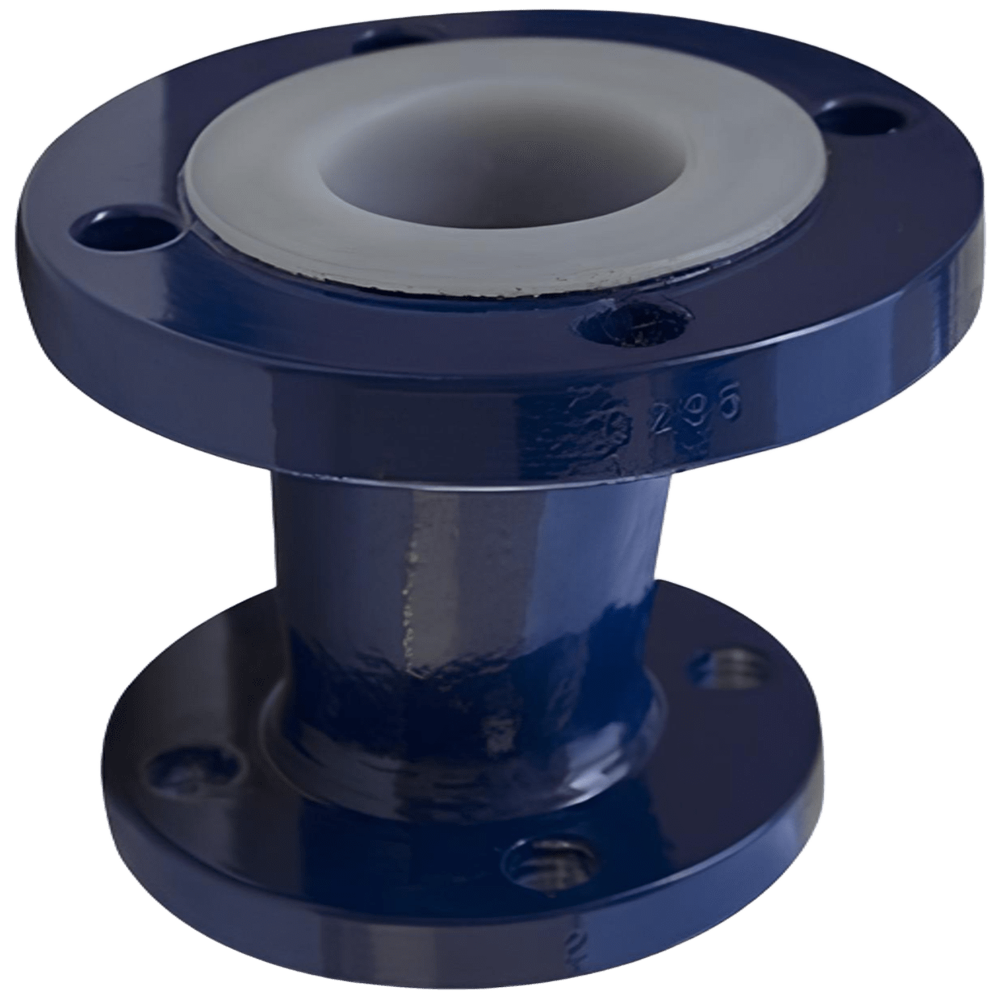
MVS manufactures PTFE Lined Reducing Flanges in a wafer-style design with threaded bolt holes and concentric bores. These flanges feature full PTFE or PFA lining, ensuring excellent chemical resistance and a leak-proof, bubble-tight connection. The lining extends seamlessly into the bore, safeguarding the transition point from corrosion and contamination. We offer both standard reducing flanges, which are readily available in stock, and custom-engineered variants tailored to specific customer specifications. Whether you’re handling hydrochloric acid, nitric acid, caustic soda, or any other aggressive media, our lined reducing flanges provide the long-lasting performance and reliability your process demands. When you need a secure and corrosion-proof solution for connecting pipelines of different sizes, trust MVS Valves—the trusted name in PTFE Lined Reducing Flanges Manufacturing.
Specification
| Specification | Details |
|---|---|
| Size Range | 15 mm x 25 mm to 200 mm x 250 mm (Larger sizes on request) |
| Type | Lined Reducing Flange |
| Flange Standard | ANSI B16.5 / B16.42 |
| Flange Drilling | DIN PN10/16, BS 10, ASME 150 / 300 |
| Lining Material | Moulded FEP, PFA |
| Lining Options | PVDF, PP, HDPE |
| Lining Thickness | Minimum 3.5 mm / 6.0 mm overall (±1.0 mm Tolerance) |
| Lining Spark Test | 20 KVDC After Lining |
| Hydraulic Test | 29 Kg/cm² After Lining |
| Face-to-Face | As per ANSI B16.5 #150 |
| Optional Drilling Standards | DIN PN 2632 / 2633, BS 10 Table D, E, F (on request) |
Material of Construction
| Base Materials | Ductile Iron GGG40.3 / ASTM A395 Cast Steel ASTM A216 Gr. WCB Stainless Steel ASTM A351 Gr. CF8 (SS 304) / CF8M (SS 316) |
| Liner Type | Virgin Unpigmented PTFE or Anti-Static PTFE |
| Design Configuration | Wafer Style with Concentric Bores and Threaded Bolt Holes |
| Extras | Earthing Studs / Lugs, Vent Extensions |
Application Industries

Crude Oil & Natural Gas Industry
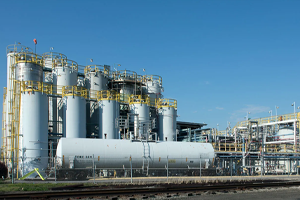
Chemical & Petrochemical Industry
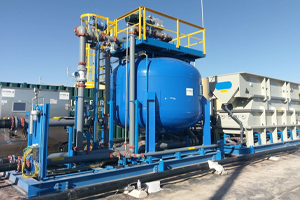
Water & Wastewater Treatment
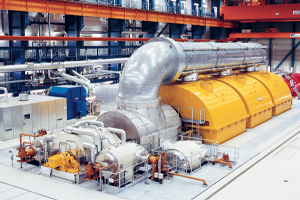
Nuclear & Thermal Power Generation

Food & Beverage Industry

Pharmaceutical & Biotechnology
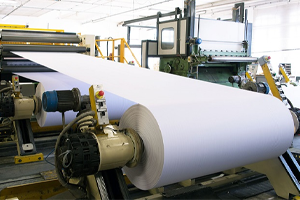
Pulp & Paper Industry
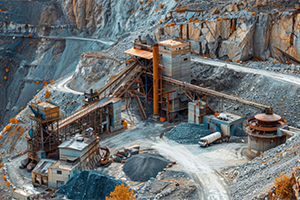
Mining & Mineral Processing
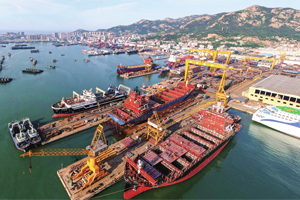
Marine & Shipbuilding

HVAC & Building Services

Automotive & Paint Chemical Manufacturing
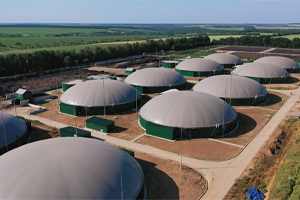
Environmental & Bio Gas Renewable Energy
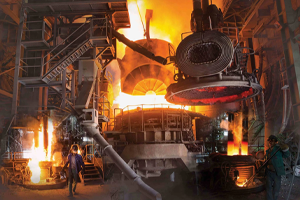
Steel & Metal Processing
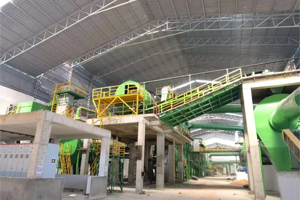
Fertilizer Plants, Polymer Production

Cosmetics & Personal Care
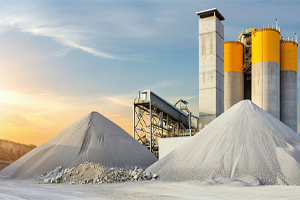
Cement & Construction
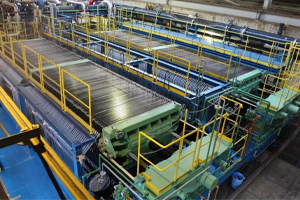
Chlor-Alkali Industry
Mineral Acids Industry
Related Valves
Exporting Reliable Valve Solutions Across Continents
Australia | Argentina | Austria | Bahrain | Belgium | Bulgaria | Canada | Chile | China | Colombia | Czech Republic | Denmark | Egypt | Finland | France | Germany | Greece | Hong Kong | Hungary | Indonesia | Iran | Ireland | Israel | Italy | Japan | Jordan | Kuwait | Korea | Saudi Arabia (KSA) | Lebanon | Lithuania | Malaysia | Mexico | Netherlands | New Zealand | Nigeria | Norway | Oman | Peru | Philippines | Poland | Portugal | Puerto Rico | Qatar | Romania | Russia | Serbia | South Africa | South Korea | Spain | Sweden | Switzerland | Syria | Taiwan | Thailand | Turkey | Ukraine | United Arab Emirates (UAE) | United Kingdom (UK) | United States of America (USA) | Venezuela | Vietnam | Yemen | Zambia
PTFE Lined Reducing Flanges
Frequently Asked Questions
Can’t find your duty condition here? Send us the media, size, pressure and temperature and we will specify the valve. Contact us
What is a PTFE lined reducing flange and where is it used?
A wafer-style lined flange with concentric bores that steps the line down in a single component, without the length a reducer needs. Because it is a wafer design with threaded bolt holes it sits between two existing flanges, so you can reduce a bore at a valve or equipment connection where there is no room for a conventional reducer spool.
Which base, liner and flange materials are available?
Base materials Ductile Iron GGG40.3 / ASTM A395, Cast Steel ASTM A216 Gr. WCB or stainless steel. Liner type virgin unpigmented PTFE or anti-static PTFE, with moulded FEP and PFA as standard lining materials and PVDF, PP and HDPE as options, at a minimum 3.5 mm, 6.0 mm overall (±1.0 mm tolerance).
What sizes, flange standards and tests apply?
15 mm × 25 mm up to 200 mm × 250 mm, with larger sizes on request. Flange standard ANSI B16.5 / B16.42, face-to-face per ANSI B16.5 #150, drilling in DIN PN10/16, BS 10 or ASME 150/300, with DIN 2632/2633 and BS 10 Table D, E, F on request. Spark tested at 20 KVDC and hydraulically tested at 29 kg/cm² after lining.
Reducing flange or reducer — which should I use?
Use a reducing flange where space is tight and the step happens right at a flange face — at a valve inlet, a pump nozzle or an instrument connection. Use a concentric or eccentric reducer where there is room in the run, because a gradual taper costs far less pressure drop and less turbulence than an abrupt step. The flange is the compact answer, not the hydraulically better one.
Are you a manufacturer, and what are your minimum order quantity and customization options?
MVS manufactures at its own works — since 1978, ISO 9001:2015 certified — and exports across several continents. The minimum order quantity is 20 pieces. Anti-static liners, stainless bases, alternative drilling standards, earthing studs and vent extensions are built to order.