
Key Takeaways
- Mayur (Valves) System Private Limited is a top manufacturer of stainless steel gate valves for industrial applications in the USA.
- API 600 and API 603 specifications guide valve selection for demanding industrial piping systems.
- Stainless steel gate valves offer superior material compatibility and corrosion resistance for process piping.
- Understanding valve body materials and configurations is crucial for optimal industrial valve selection.
- Consider pressure class, end connections, and inspection standards when choosing industrial gate valves.
Mayur (Valves) System Private Limited is a leading manufacturer of API 600 and API 603 gate valves for industrial applications. Industrial flow systems need valves selected around material compatibility, pressure class, operating conditions, and piping requirements. A gate valve may appear simple from the outside, but its body material, wedge design, bonnet arrangement, stem movement, trim, and end connections play an important role in practical valve selection.
For industrial buyers and engineering teams in the USA, API-based gate valve specifications provide a recognised technical reference when evaluating valves for demanding piping systems. Our range covers stainless steel, carbon steel, ductile iron, super duplex, and specialised alloy gate valve configurations for varied industrial requirements.
Understanding API 600 and API 603 Gate Valves
API 600 is commonly associated with steel gate valve construction for industrial service, while API 603 addresses corrosion-resistant bolted bonnet gate valves. Valve selection should always be based on the required material grade, pressure class, fluid characteristics, temperature range, connection type, and applicable project specification.
A Stainless-Steel Gate Valve is considered for applications where material compatibility and resistance to corrosive service conditions are important. The API 603 Corrosion Resistant Stainless Steel Gate Valve category is particularly relevant to industrial piping projects requiring corrosion-resistant valve materials.
Similarly, API 603 Stainless Steel Corrosion-Resistant Gate Valves support project requirements where stainless-steel construction forms a key part of the valve specification. At Mayur (Valves) System Private Limited, we focus on understanding technical valve requirements before matching a suitable gate valve configuration.
Stainless Steel Gate Valves for Industrial Flow Systems
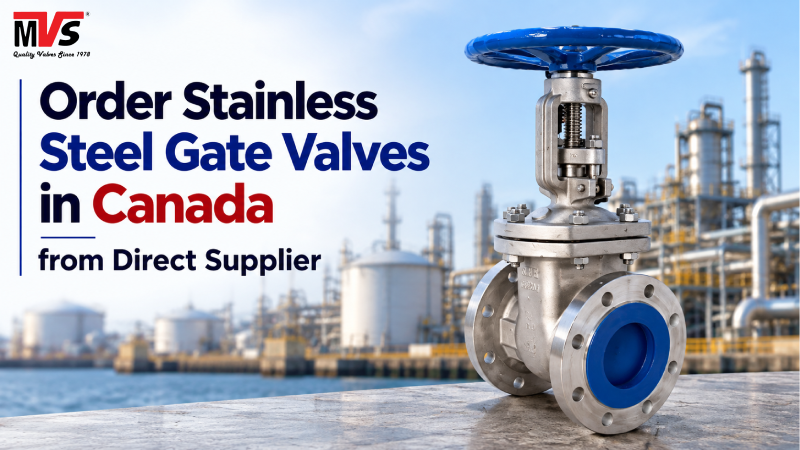
Stainless steel gate valves are used in various process piping arrangements where isolation is required. A Stainless-Steel Gate Valve operates through the movement of a gate or wedge, making the valve suitable for open and closed flow positions based on the system design.
The API 600 Stainless Steel Gate Valve Flanged Ends Class 300 is a specified configuration for applications requiring flanged end connections and a Class 300 pressure designation. Flanged ends can support structured piping installation and maintenance practices when selected according to project requirements.
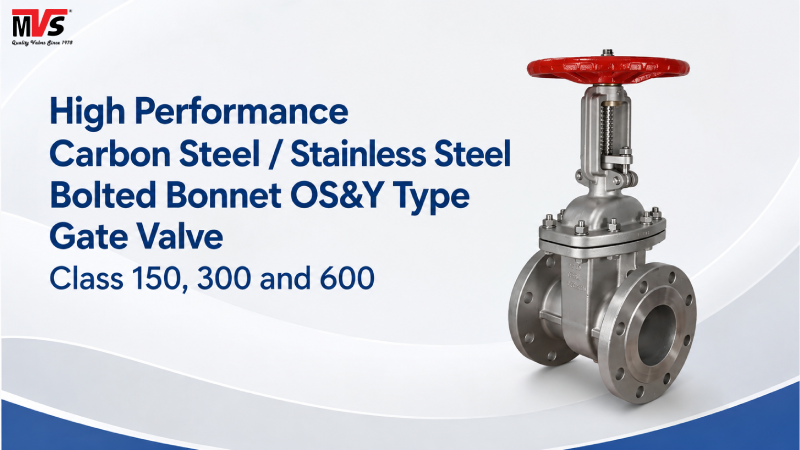
The API 603 150# CF8M Stainless Steel OS&Y Gate Valve is another significant choice. Visible stem movement is provided via the OS&Y, or outside screw and yoke arrangement. This design characteristic can help operators identify valve position during routine plant operation.
For corrosive service specifications, API 603 Corrosion Resistant Stainless Steel Gate Valve and API 603 Stainless Steel Corrosion-Resistant Gate Valves remain important product categories for engineers evaluating stainless steel valve construction.
Gate Valve Materials for Different Application Requirements
No single valve material suits every industrial medium. This is why material selection remains a major part of gate valve specification.
- Super Duplex F53 F55 5A 6A Gate Valves Flanged Ends are available for project specifications requiring super duplex material grades and flanged connections.
- ASTM A 351 GR. CN7M Alloy 20 Bolted Bonnet Rising Stem Gate Valves address specifications calling for Alloy 20 material construction, a bolted bonnet, and rising stem arrangement.
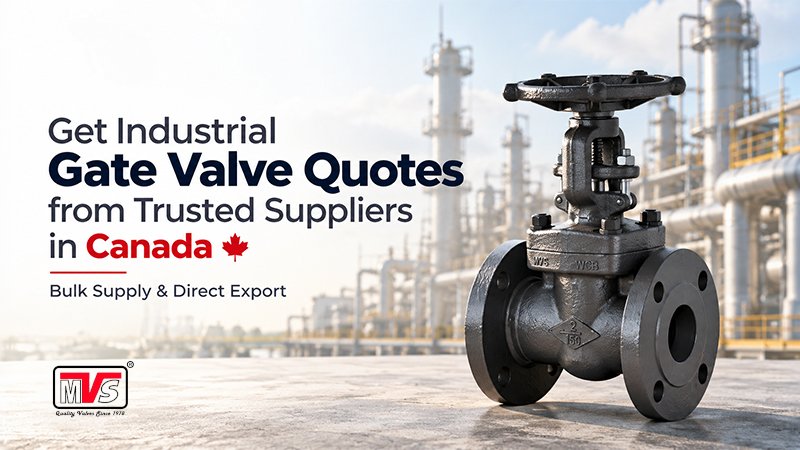
- API 600 Cast Carbon Steel Gate Valve Flanged Ends Class 150 provides a carbon steel valve configuration with flanged ends and a Class 150 designation.
The material grade must be reviewed against the process medium and project conditions. Mayur (Valves) System Private Limited works with industrial valve requirements where precise material and construction details matter during product selection.
Ductile Iron Flanged Gate Valve Trim Options
Ductile iron gate valves may also be specified with different trim materials. Trim selection should be considered alongside service conditions and technical project documentation.
Each configuration identifies a particular trim material and Class 150 designation. Rather than selecting a valve only by body material, buyers should review the complete valve specification. The trim, stem arrangement, bonnet construction, pressure class, and flange requirements all deserve attention.
A Ductile Iron Flanged Gate Valve Stainless Steel Trim Class 150 addresses stainless steel trim requirements.
Flexible Wedge and OS&Y Gate Valve Construction
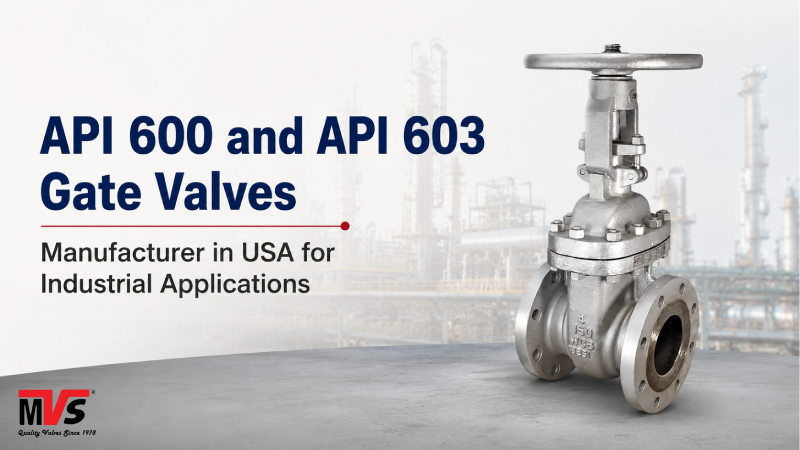
Valve construction has a direct connection with application requirements. Flexible Wedge Outside Screw and Yoke Bolted Bonnet API 600 Gate Valves feature a bolted bonnet arrangement, OS&Y construction, and a flexible wedge configuration.
The outside screw and yoke design provides visible stem movement. A bolted bonnet is another clearly defined construction feature used in industrial valve specifications. When selecting Flexible Wedge Outside Screw and Yoke Bolted Bonnet API 600 Gate Valves, buyers should compare valve size, pressure class, material, end connection, and operating requirements with their technical datasheet.
The same careful approach applies to an API 603 150# CF8M Stainless Steel OS&Y Gate Valve and an API 600 Stainless Steel Gate Valve Flanged Ends Class 300. Similar-looking valves can have very different technical specifications.
Why API 598 Matters in Valve Requirements
API 598 is a recognised valve inspection and testing standard referenced in industrial valve requirements. Buyers may include API 598 within project documentation when defining inspection and testing expectations for applicable valves.
Valve procurement should not depend only on product names. Material grade, valve construction, pressure class, applicable design standard, and inspection or testing requirements such as API 598 should be clearly communicated.
For an API 600 Cast Carbon Steel Gate Valve Flanged Ends Class 150 or specialised Super Duplex F53 F55 5A 6A Gate Valves Flanged Ends, accurate technical communication helps avoid confusion during the valve selection process.
Key Points to Check Before Selecting an Industrial Gate Valve
Before finalising a gate valve, review:
- Required valve design standard
- Body and trim material
- Pressure class
- Valve size
- Flanged end requirements
- Wedge configuration
- Rising stem or OS&Y arrangement
- Bonnet construction
- Process medium
- Applicable inspection and testing requirements
These details are particularly important when comparing a Stainless Steel Gate Valve, ASTM A 351 GR. CN7M Alloy 20 Bolted Bonnet Rising Stem Gate Valves, or ductile iron gate valves with different trim options.
Major Valve Body Materials
Valve body material selection depends on the process medium, temperature, pressure class, and project specifications. Common materials used for industrial gate valve configurations include:
- ASTM A351 Gr. CF8M – 316 Stainless Steel
- ASTM A216 Gr. WCB – Carbon Steel
- ASTM A352 Gr. LCB – Low-Temperature Carbon Steel
- ASTM A351 Gr. CF3M – 316L Low-Carbon Stainless Steel
- ASTM A351 Gr. CF8 – 304 Stainless Steel
- ASTM A351 Gr. CF3 – 304L Low-Carbon Stainless Steel
- ASTM A351 Gr. CN7M – Alloy 20
- ASTM A494 Gr. CW-12M – Nickel-Based Alloy
- ASTM A494 Gr. M-35 – Monel Alloy
Available Valve Body Material Categories
Mayur (Valves) System Private Limited offers gate valve configurations in various body material categories, depending on valve design and application requirements. These include Carbon Steel, Low-Temperature Carbon Steel, Low-Alloy Steel, 13% Cr Stainless Steel, Austenitic Stainless Steel, Precipitation-Hardening Stainless Steel, Duplex and Super Duplex Stainless Steel, Nickel Alloys (825, 625, and 718), and Titanium.
Selecting the correct body material is important when specifying a Stainless Steel Gate Valve or other industrial gate valve for demanding operating conditions.
Global Supply and International Market Reach
We serve industrial and commercial requirements across global markets, providing products and solutions for diverse project and application needs. Our products are available for requirements in Australia, United States (USA), Canada, Mexico, Belgium, Germany, European Union, Netherlands, Spain, France, UK, Denmark, Sweden, Finland, Poland, Austria, Czech Republic, Romania, Italy, United Arab Emirates (UAE), Qatar, Saudi Arabia, Oman, Bahrain, Kuwait, Egypt, Nigeria, Kenya, South Africa, Morocco, Tunisia, Indonesia, Vietnam, Malaysia, Thailand, Philippines, Singapore, Kazakhstan, Sri Lanka, New Zealand, Costa Rica, Colombia, Argentina, Chile, Guyana, Kyrgyz Republic, Uzbekistan, Israel, Ireland, Greece, Jordan, Lebanon, Ethiopia, Uganda, Trinidad & Tobago, Japan, South Korea, Tanzania, Brazil, Panama, Azerbaijan, and Turkey.
We support international buyers and businesses seeking reliable products and solutions tailored to varied project specifications, industrial applications, and operational requirements.
Why Choose Us
Mayur (Valves) System Private Limited understands that industrial valve buyers need clear product specifications and suitable valve configurations for their project requirements. We offer a broad gate valve range covering stainless steel, carbon steel, ductile iron, super duplex, and specialised alloy options. Our approach is focused on technical communication, product understanding, and application-based valve selection. Whether your requirement involves API 603 Corrosion Resistant Stainless Steel Gate Valve, API 600 Stainless Steel Gate Valve Flanged Ends Class 300, or Flexible Wedge Outside Screw and Yoke Bolted Bonnet API 600 Gate Valves, our team can discuss the required specifications.
Conclusion
API 600 and API 603 gate valves are important components in industrial piping systems where proper material, construction, pressure class, and valve configuration must match project requirements. From API 603 Stainless Steel Corrosion-Resistant Gate Valves and Super Duplex F53 F55 5A 6A Gate Valves Flanged Ends to ductile iron and carbon steel configurations, every valve specification deserves careful review. Mayur (Valves) System Private Limited supports industrial buyers with a diverse gate valve range and clear technical communication. Reviewing standards, materials, trim, flange class, stem design, and testing requirements can help buyers identify a suitable valve configuration for their application.
Looking for API 600 and API 603 gate valves for industrial applications in the USA? Call us at +91 9998920298 or email mayurvalves@gmail.com for product requirements.
Frequently Asked Questions
What are API 600 and API 603 gate valves?
API 600 and API 603 gate valves are standards for constructing steel gate valves for industrial applications. API 600 typically relates to general service valves, while API 603 focuses on corrosion-resistant bolted bonnet designs, ideal for environments where rusting and other forms of corrosion are concerns.
How do I choose the right stainless steel gate valve for my application?
Choosing the right stainless steel gate valve involves considering factors such as material compatibility, pressure class, operating conditions, and specific piping requirements. It’s essential to review the complete valve specification, including the trim material and connection types, to ensure proper functionality in your industrial flow system.
What materials are used for stainless steel gate valves?
Stainless steel gate valves can be made from various alloys, including ASTM A351 Gr. CF8M (316 stainless steel) and ASTM A351 Gr. CF3M (316L low-carbon stainless steel). These materials are selected based on the requirements for temperature, pressure, and corrosion resistance in specific applications.
Are API 603 stainless steel gate valves suited for corrosive services?
Yes, API 603 stainless steel gate valves are specifically designed for corrosive environments, utilizing materials resistant to corrosion. Their design features, such as bolted bonnets and materials chosen for their chemical compatibility, make them an excellent choice for industrial applications where rusting could be an issue.
What key factors should I consider when selecting an industrial gate valve?
When selecting an industrial gate valve, consider the required valve design standard, body and trim materials, pressure class, valve size, flange requirements, and the type of wedge configuration. It’s also essential to account for the process medium and any applicable inspection and testing standards to ensure the valve meets your project needs.