
Key Takeaways
- Understand the differences between lubricated plug valves and PTFE sleeved types for effective industrial applications.
- Selecting the right jacketed plug valve requires careful consideration of process temperature, media, and pressure requirements.
- Lubricated plug valves are essential for demanding industrial conditions, ensuring a secure sealing arrangement between the plug and valve body.
- Material and pressure class selection are critical factors in industrial valve procurement to meet specific project needs.
- Jacketed plug valves are essential for managing temperature-sensitive fluids in industrial applications.
Mayur (Valves) System Private Limited is a leading manufacturer of jacketed plug valves for industrial applications. In process plants, valve selection is not simply about opening and closing a pipeline. Temperature changes, fluid characteristics, operating pressure, material requirements, and process conditions can directly influence the type of valve required.
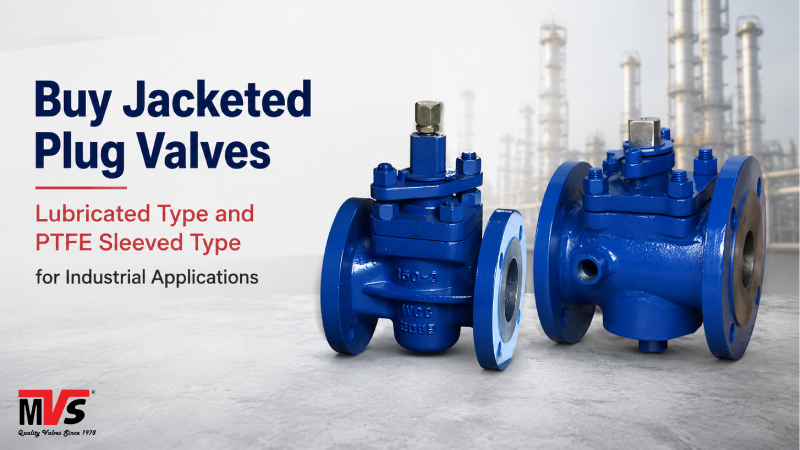
Jacketed plug valves are considered for applications where the process medium needs-controlled temperature conditions around the valve body. Available in lubricated and PTFE sleeved configurations, these valves can be specified according to actual plant and project requirements.
For industrial buyers, engineers, and procurement teams looking to buy jacketed plug valves, understanding the basic differences between these two types makes product selection more practical.
What Makes a Jacketed Plug Valve Different?
The jacket arrangement is the main feature that separates a jacketed plug valve from a standard valve configuration. A jacket surrounds a specific area of the valve body and allows a suitable heating or cooling medium to circulate based on process design.
This arrangement may be useful when handling media affected by temperature variations. Certain process fluids can become more difficult to handle when their temperature changes. In such applications, the jacket forms part of the overall process temperature management arrangement.
Valve selection should still be based on actual operating data. Media type, pressure, temperature, valve size, material, connection, and project specifications need proper consideration before choosing a configuration.
Lubricated Type for Industrial Valve Applications
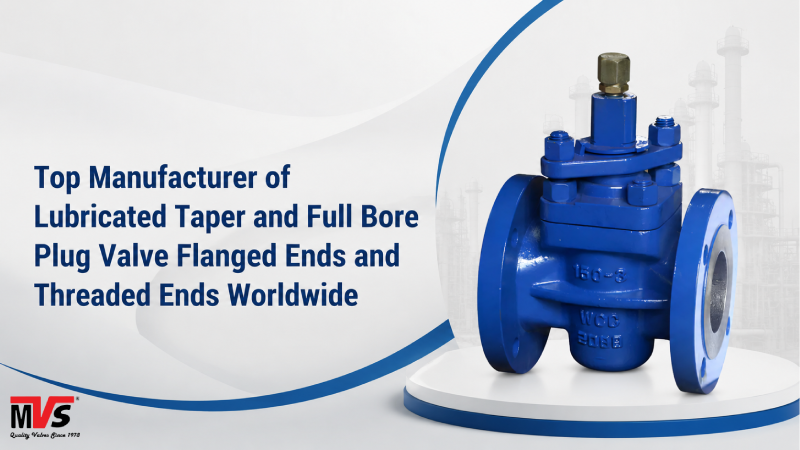
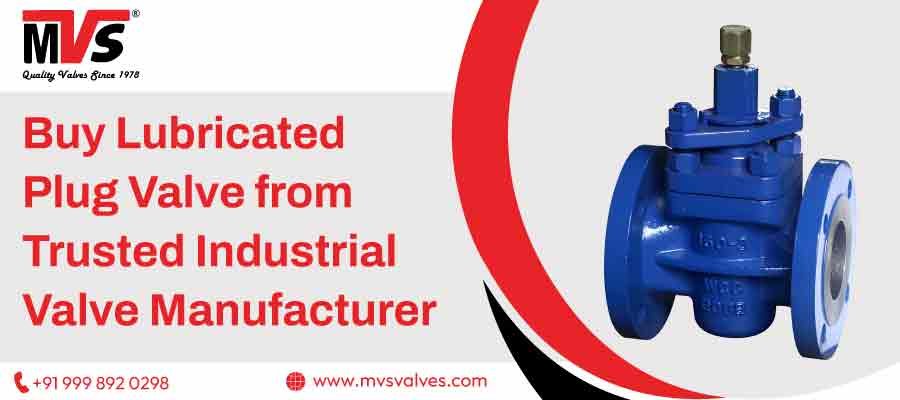
A Lubricated Plug Valve uses a lubricant within its design to support the sealing arrangement between the plug and valve body. This valve category is considered for demanding industrial applications based on process conditions and technical specifications.
Lubricated designs are available in different materials and pressure classes. The correct selection depends on operating requirements rather than a general one-size-fits-all approach.
For specific project specifications, an API 6d industrial inverted high pressure balanced lubricated plug valve may be required. Such a detailed valve requirement should be reviewed against the process medium, operating temperature, design pressure, material specifications, and applicable project documents.
At Mayur (Valves) System Private Limited, we encourage customers to share complete technical details so that the valve requirement can be understood clearly.
PTFE Sleeved Type for Process Flow Requirements
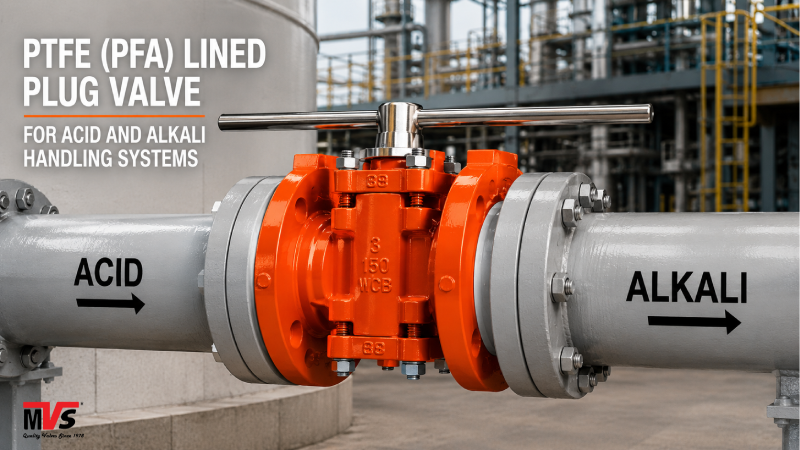
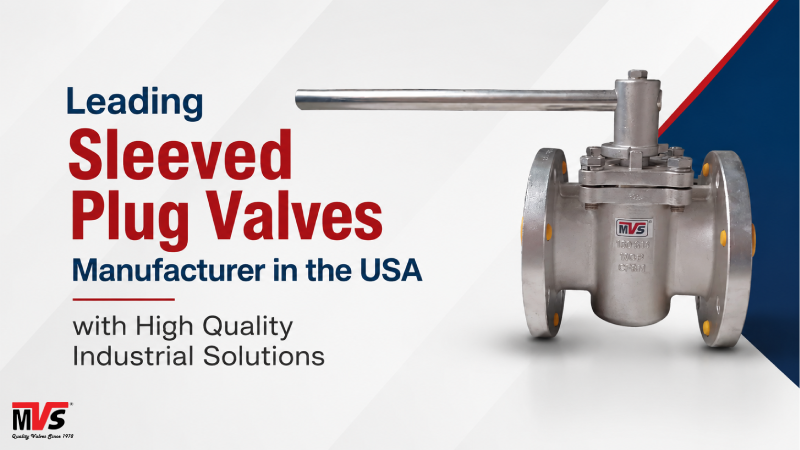
PTFE sleeved plug valves use a sleeve positioned within the valve arrangement. The sleeve forms an important part of the valve’s internal configuration and distinguishes this design from a lubricated type.
These valves may be considered for industrial flow applications where the process specification calls for a sleeved valve arrangement. The suitability of PTFE and the valve configuration should be reviewed according to media characteristics, temperature, pressure, and project requirements.
The choice between a lubricated type and PTFE sleeved type should not be made only on the basis of the valve name. Industrial users should evaluate the actual service conditions and required valve construction.
Material and Pressure Class Selection
Material selection is a major consideration in industrial valve procurement. Different projects may specify duplex, nickel alloy, stainless steel, or super duplex materials based on process and engineering requirements.
A project may specify a duplex API 6d industrial inverted high pressure balanced lubricated plug valve class 300 and nickel alloy API 6d industrial inverted high pressure balanced lubricated plug valve class 600 when particular material and pressure class requirements form part of the technical specification.
For other demanding services, engineers may evaluate a stainless steel API 6d industrial inverted high pressure balanced lubricated plug valve 6d industrial inverted high pressure balanced lubricated plug valve class 1500 according to project documentation and operating conditions.
Highly specific high-pressure requirements may also call for a super duplex API 6d industrial inverted high pressure balanced lubricated plug valve 6d industrial inverted high pressure balanced lubricated plug valve class 2500 based on the requested material, pressure class, and valve design.
These are technical valve specifications. Buyers should provide complete datasheets and application details before final product selection.
7 Points to Check Before Buying Jacketed Plug Valves
Industrial valve procurement becomes easier when the technical enquiry contains clear information. Before selecting a jacketed plug valve, review:
- Process Media: Identify the fluid or process medium passing through the valve.
- Operating Temperature: Mention normal and expected temperature conditions.
- Pressure Requirements: Confirm the required pressure class and design conditions.
- Material Specification: State the requested body, plug, and relevant material requirements.
- Valve Size: Provide the required nominal valve size.
- End Connection: Mention flanged or other specified connection requirements.
- Jacket Details: Share available information about the jacket medium and process requirement.
Providing these details helps create a more focused technical discussion between the buyer and valve manufacturer.
Lubricated or PTFE Sleeved: Which Type Should You Buy?
There is no single valve type suitable for every industrial application. Lubricated and PTFE sleeved plug valves have different internal arrangements, and the final choice depends on process requirements.
A lubricated design may be evaluated where the specified valve construction and service conditions require this arrangement. When a sleeved configuration is required by the project requirements, a PTFE sleeved design may be taken into consideration.
The best approach is to compare the valve requirement with process data. Fluid characteristics, operating conditions, material compatibility, pressure class, and applicable specifications should guide the selection.
Mayur (Valves) System Private Limited works with industrial valve enquiries by focusing on the technical information provided by customers. This practical approach reduces assumptions during valve discussions.
Major Valve Body Materials
Valve body material selection depends on the process medium, temperature, pressure class, and project specifications. Common materials used for industrial gate valve configurations include:
- ASTM A351 Gr. CF8M – 316 Stainless Steel
- ASTM A216 Gr. WCB – Carbon Steel
- ASTM A352 Gr. LCB – Low-Temperature Carbon Steel
- ASTM A351 Gr. CF3M – 316L Low-Carbon Stainless Steel
- ASTM A351 Gr. CF8 – 304 Stainless Steel
- ASTM A351 Gr. CF3 – 304L Low-Carbon Stainless Steel
- ASTM A351 Gr. CN7M – Alloy 20
- ASTM A494 Gr. CW-12M – Nickel-Based Alloy
- ASTM A494 Gr. M-35 – Monel Alloy
Available Valve Body Material Categories
Mayur (Valves) System Private Limited offers gate valve configurations in various body material categories, depending on valve design and application requirements. These include Carbon Steel, Low-Temperature Carbon Steel, Low-Alloy Steel, 13% Cr Stainless Steel, Austenitic Stainless Steel, Precipitation-Hardening Stainless Steel, Duplex and Super Duplex Stainless Steel, Nickel Alloys (825, 625, and 718), and Titanium.
Selecting the correct body material is important when specifying a Stainless Steel Gate Valve or other industrial gate valve for demanding operating conditions.
Global Supply and International Market Reach
We serve industrial and commercial requirements across global markets, providing products and solutions for diverse project and application needs. Our products are available for requirements in Australia, United States (USA), Canada, Mexico, Belgium, Germany, European Union, Netherlands, Spain, France, UK, Denmark, Sweden, Finland, Poland, Austria, Czech Republic, Romania, Italy, United Arab Emirates (UAE), Qatar, Saudi Arabia, Oman, Bahrain, Kuwait, Egypt, Nigeria, Kenya, South Africa, Morocco, Tunisia, Indonesia, Vietnam, Malaysia, Thailand, Philippines, Singapore, Kazakhstan, Sri Lanka, New Zealand, Costa Rica, Colombia, Argentina, Chile, Guyana, Kyrgyz Republic, Uzbekistan, Israel, Ireland, Greece, Jordan, Lebanon, Ethiopia, Uganda, Trinidad & Tobago, Japan, South Korea, Tanzania, Brazil, Panama, Azerbaijan, and Turkey.
We support international buyers and businesses seeking reliable products and solutions tailored to varied project specifications, industrial applications, and operational requirements.
Why Choose Us
Mayur (Valves) System Private Limited understands that industrial valve requirements can differ from one process application to another. We focus on customer specifications, operating conditions, material requirements, pressure classes, and project-related details while discussing jacketed plug valve requirements. Our approach is professional, application-focused, and based on clear technical communication. We encourage buyers, engineering teams, and procurement professionals to share complete valve data so our team can understand their requirements properly. For lubricated and PTFE sleeved plug valve enquiries, we provide responsive support and practical product discussions based on the information shared with us.
Conclusion
Jacketed plug valves are important for industrial applications where process temperature conditions and flow control requirements need careful consideration. Lubricated and PTFE sleeved types offer different valve arrangements, making technical evaluation essential before selection. Buyers should review process media, operating temperature, pressure class, valve material, size, connection, and jacket requirements before finalising a valve. Choosing a product based on complete application information supports a clearer procurement process and better technical communication. Mayur (Valves) System Private Limited welcomes detailed industrial valve enquiries and works with customers to understand their specific jacketed plug valve requirements for demanding process applications.
Buy jacketed plug valves in lubricated or PTFE sleeved types for industrial applications. Call +91 9998920298 or email mayurvalves@gmail.com to discuss your valve requirements.
Frequently Asked Questions
What is a lubricated plug valve and how does it work?
A lubricated plug valve utilizes a lubricant to facilitate a tight seal between the valve plug and body, enhancing its performance in demanding industrial applications. This valve type is designed to operate under varying pressure and temperature conditions, providing reliable control over process flows.
What are the main differences between lubricated plug valves and PTFE sleeved plug valves?
The primary difference lies in their internal configurations; lubricated plug valves use a lubricant for sealing, while PTFE sleeved plug valves feature a PTFE sleeve that improves chemical resistance and reduces friction. Each type serves different process requirements, making it crucial for buyers to evaluate their specific needs before selection.
What factors should be considered when selecting lubricated plug valves for industrial applications?
When choosing lubricated plug valves, it’s essential to consider the operating temperature, pressure class, material specifications, and the nature of the process media. Each of these factors influences the valve’s suitability and performance in specific industrial environments.
Can jacketed plug valves be used in high-pressure applications?
Yes, jacketed plug valves, especially in lubricated configurations, can be designed for high-pressure applications. It’s important to specify the pressure requirements and material selection to ensure the valve meets the operational demands of the process.
How do I determine the right jacketed plug valve type for my project?
To determine the right jacketed plug valve type, assess the process media, expected temperature and pressure ranges, and material compatibility. Comparing these conditions with the characteristics of lubricated vs. PTFE sleeved valves will guide you in making an informed selection.