
Key Takeaways
- Mayur (Valves) System Private Limited specializes in PTFE valves, offering tailored solutions for diverse industrial applications.
- Understanding the specific process media and operating conditions is crucial when selecting PTFE valves.
- Lined valves, such as PTFE, FEP, and PFA, are essential for maintaining chemical compatibility in demanding environments.
- Clear communication of technical specifications enhances the procurement process for lined valves.
- Choosing the right valve material involves careful consideration of temperature, pressure, and application requirements.
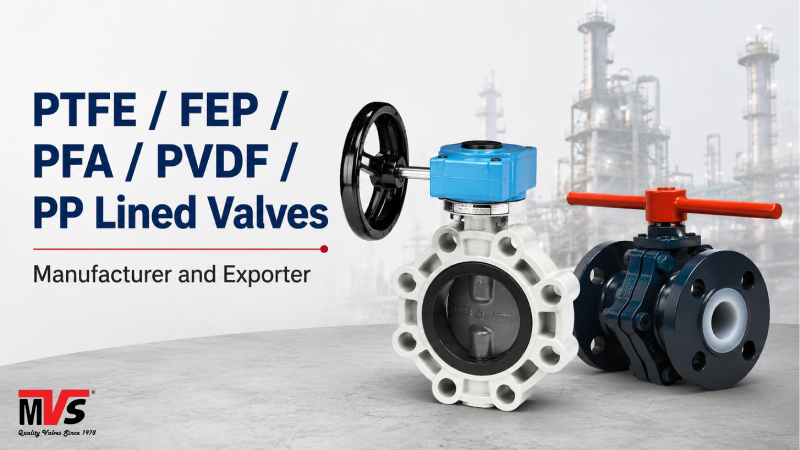
Mayur (Valves) System Private Limited is a leading manufacturer of PTFE, FEP, PFA, PVDF, and PP lined valves for industrial applications. Chemical and process plants deal with media that can place demanding requirements on flow control equipment. In such conditions, choosing a valve only by size or connection type is not enough. The valve material, lining, process media, temperature, pressure, and operating conditions all deserve careful attention.
Lined and polymer-based valve solutions are considered for specialised process requirements where material compatibility is an important part of valve selection. We focus on understanding the customer’s actual application before discussing the required valve configuration.
Why Are Lined Valves Important in Process Applications?
Industrial valves remain in direct contact with process media during operation. This makes the internal wetted construction an important factor in chemical and process piping systems.
Lined valve designs use a selected lining material within the valve configuration. PTFE, FEP, and PFA are different fluoropolymer materials, while PVDF and PP are polymer material options used in industrial equipment based on specific application requirements.
As a PTFE Valves Manufacturer, our approach is centred on technical specifications and customer requirements. For customers searching for a PTFE Valves Exporter, complete process information is valuable when discussing a suitable valve configuration.
No lining or valve material should be treated as universally suitable. Actual compatibility and operating limits must be evaluated against the intended service.
PTFE Lined Valves for Industrial Requirements
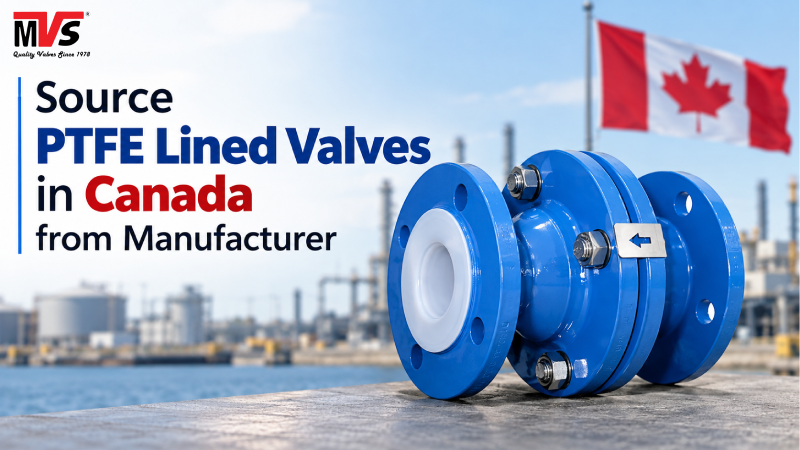
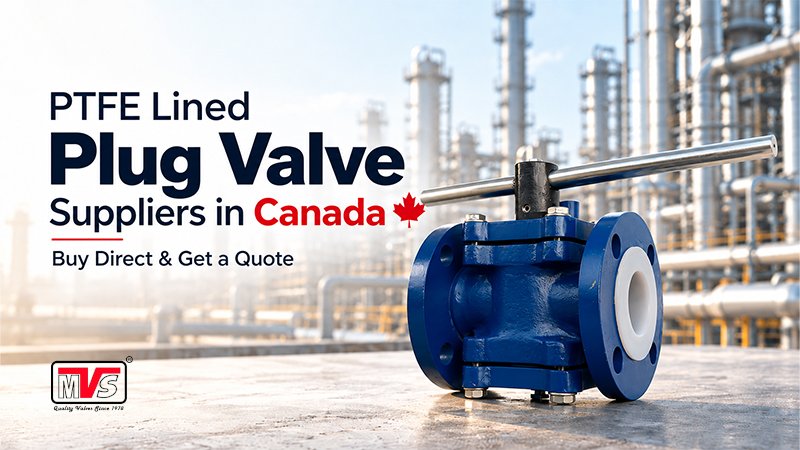
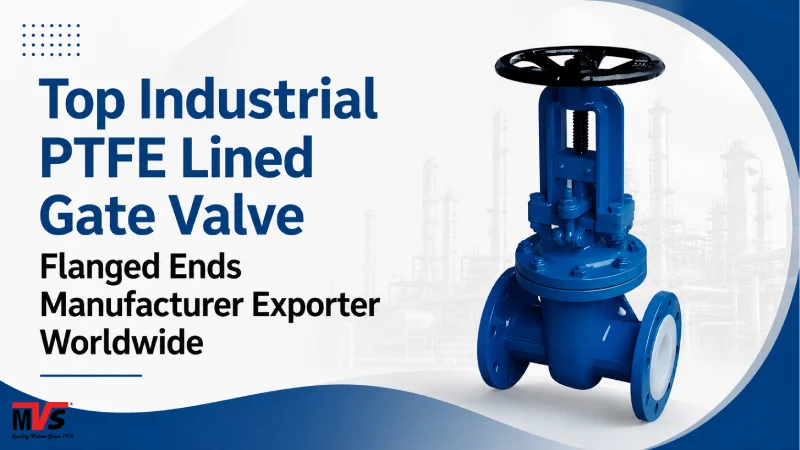
PTFE lined valves are widely discussed in chemical and process valve applications. The PTFE lining forms part of the valve’s wetted construction and separates selected underlying valve surfaces from direct process contact according to the specific valve design.
When selecting a PTFE lined valve, buyers should provide information about the media, concentration, operating temperature, design conditions, valve size, and required connection.
Mayur (Valves) System Private Limited works with industrial enquiries where these technical details guide product discussions. A datasheet or project specification can make communication more accurate and focused.
FEP Valve Solutions for Process Systems
FEP is another fluoropolymer material considered in industrial process applications. The exact use of FEP within a valve depends on valve construction and project requirements.
As an FEP Valves Manufacturer, we understand the importance of reviewing service details before discussing a valve requirement. Industrial buyers looking for an FEP Valves Exporter should clearly mention the intended media and operating conditions in their enquiry.
The entire valve is not defined by the material name alone. Body construction, internal components, size, pressure requirements, and connection details also form part of technical selection.
PFA Valves for Specialised Process Requirements
PFA is used in various industrial applications where a fluoropolymer material is specified as part of the process equipment requirement. The technical documentation and real service conditions should be taken into consideration while choosing a valve.
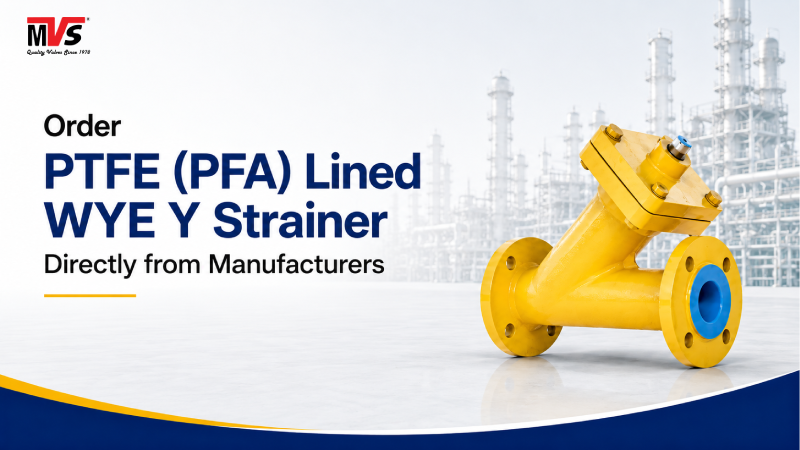
A PFA Valves Manufacturer should receive complete application details from the customer before a specialised valve requirement is discussed. Similarly, buyers contacting a PFA Valves Exporter can share project datasheets, material specifications, and relevant process information for a clearer technical conversation.
Our team avoids making broad assumptions about chemical applications because two process plants can handle very different media and operating conditions.
Understanding PVDF Valve Requirements
PVDF is a thermoplastic material used in industrial applications based on process and material requirements. PVDF valve selection requires attention to media characteristics, temperature, pressure, size, and piping specifications.
Mayur (Valves) System Private Limited supports enquiries from customers searching for a PVDF Valves Manufacturer for defined industrial applications. As a PVDF Valves Exporter, product discussions remain focused on the technical details and specifications shared by the customer.
When assessing PVDF valves, the real service requirements should be taken into account. Customers shouldn’t choose a valve just because a certain material is frequently used in a specific industry.
PP Valves for Industrial Flow Applications
Polypropylene, or PP, is another material that is considered for valve and process equipment applications based on service conditions.
When contacting a PP Valves Manufacturer, buyers should mention the process fluid, temperature, operating conditions, valve size, and required configuration. Customers seeking a PP Valves Exporter should also provide relevant project specifications where available.
This information creates a practical base for discussing valve requirements and helps keep procurement communication clear.
7 Details to Share Before Selecting Lined Valves
The quality of a valve enquiry often depends on the technical information provided. Before discussing PTFE, FEP, PFA, PVDF, or PP valve requirements, buyers should share:
- Process Media: Mention the exact fluid or chemical handled in the line.
- Concentration: Provide concentration details where relevant to the process.
- Operating Temperature: State normal and expected temperature conditions.
- Pressure Conditions: Mention operating and design pressure requirements.
- Valve Size: Clearly specify the required nominal size.
- Valve Type: Mention whether the project requires a ball valve, butterfly valve, check valve, or another specified configuration.
- Connection and Actuation: Share connection details and manual or actuated operation requirements.
Complete technical information helps create a more useful discussion between the buyer, engineering team, and valve manufacturer.
How to Choose Between PTFE, FEP, PFA, PVDF and PP?
Material selection should begin with the process application rather than a general product preference. Every material has unique properties, and its appropriateness varies according on the particular media and operating environment.
Start by identifying the process fluid and concentration. Then review temperature and pressure conditions. Project material specifications, valve construction, and piping requirements should also be checked.
For specialised applications, customers should refer to their engineering data and compatibility requirements. A detailed technical discussion is more valuable than selecting a material based only on a short product description.
We recommend sharing a valve datasheet whenever one is available. It allows important product requirements to be communicated in an organised manner.
Major Valve Body Materials
Valve body material selection depends on the process medium, temperature, pressure class, and project specifications. Common materials used for industrial gate valve configurations include:
- ASTM A351 Gr. CF8M – 316 Stainless Steel
- ASTM A216 Gr. WCB – Carbon Steel
- ASTM A352 Gr. LCB – Low-Temperature Carbon Steel
- ASTM A351 Gr. CF3M – 316L Low-Carbon Stainless Steel
- ASTM A351 Gr. CF8 – 304 Stainless Steel
- ASTM A351 Gr. CF3 – 304L Low-Carbon Stainless Steel
- ASTM A351 Gr. CN7M – Alloy 20
- ASTM A494 Gr. CW-12M – Nickel-Based Alloy
- ASTM A494 Gr. M-35 – Monel Alloy
Available Valve Body Material Categories
Mayur (Valves) System Private Limited offers gate valve configurations in various body material categories, depending on valve design and application requirements. These include Carbon Steel, Low-Temperature Carbon Steel, Low-Alloy Steel, 13% Cr Stainless Steel, Austenitic Stainless Steel, Precipitation-Hardening Stainless Steel, Duplex and Super Duplex Stainless Steel, Nickel Alloys (825, 625, and 718), and Titanium.
Selecting the correct body material is important when specifying a Stainless Steel Gate Valve or other industrial gate valve for demanding operating conditions.
Global Supply and International Market Reach
We serve industrial and commercial requirements across global markets, providing products and solutions for diverse project and application needs. Our products are available for requirements in Australia, United States (USA), Canada, Mexico, Belgium, Germany, European Union, Netherlands, Spain, France, UK, Denmark, Sweden, Finland, Poland, Austria, Czech Republic, Romania, Italy, United Arab Emirates (UAE), Qatar, Saudi Arabia, Oman, Bahrain, Kuwait, Egypt, Nigeria, Kenya, South Africa, Morocco, Tunisia, Indonesia, Vietnam, Malaysia, Thailand, Philippines, Singapore, Kazakhstan, Sri Lanka, New Zealand, Costa Rica, Colombia, Argentina, Chile, Guyana, Kyrgyz Republic, Uzbekistan, Israel, Ireland, Greece, Jordan, Lebanon, Ethiopia, Uganda, Trinidad & Tobago, Japan, South Korea, Tanzania, Brazil, Panama, Azerbaijan, and Turkey.
We support international buyers and businesses seeking reliable products and solutions tailored to varied project specifications, industrial applications, and operational requirements.
Why Choose Us
Mayur (Valves) System Private Limited understands that lined and polymer valve enquiries often involve specific process requirements. We focus on the technical details shared by our customers, including media, temperature, pressure, material requirements, valve size, and project specifications. Our team values clear communication and an application-focused approach while discussing PTFE, FEP, PFA, PVDF, and PP valve requirements. We work with industrial buyers, engineers, consultants, and procurement professionals seeking professional valve-related support. By understanding the stated application first, we can keep product discussions relevant, practical, and focused on the customer’s actual industrial requirement.
Conclusion
PTFE, FEP, PFA, PVDF, and PP valve solutions are considered for industrial applications where material selection and process conditions require careful evaluation. The right valve choice depends on process media, concentration, temperature, pressure, size, construction, connection, and project specifications. Buyers should review technical data before selecting a lined or polymer valve for chemical and process systems. Mayur (Valves) System Private Limited follows an application-focused approach and encourages customers to share complete valve requirements. Clear technical communication helps create a more practical procurement process and supports informed discussions for specialised industrial flow control applications across different process requirements.
Buy PTFE, FEP, PFA, PVDF, and PP valve solutions for industrial applications. Call +91 9998920298 or email mayurvalves@gmail.com to discuss your requirements.
Frequently Asked Questions
What are the benefits of using PTFE valves in industrial applications?
PTFE valves offer excellent chemical resistance, making them ideal for handling corrosive substances in chemical processing. Their high-temperature tolerance and low friction properties also enhance operational efficiency and longevity under demanding conditions.
How do I choose the right lined valve material for my application?
Selecting the right lined valve material depends on the specific process media, concentration, and operating conditions such as temperature and pressure. It’s important to consider factors like compatibility, valve size, and intended connection to ensure optimal performance.
Why should I consider a PTFE valves manufacturer over traditional valves?
A PTFE valves manufacturer understands the unique requirements of chemical and process applications, ensuring that the valves are designed for specific media and operating conditions. This tailored approach enhances safety and operational efficiency in demanding environments.
What type of technical specifications should I provide when inquiring about lined valves?
When inquiring about lined valves, it’s crucial to provide detailed information such as the process media, concentration, operating temperature, pressure conditions, valve size, type, and connection requirements. This information allows manufacturers to better understand your needs and recommend suitable options.
Can I rely on a PTFE valves exporter for global supply and support?
Yes, a reputable PTFE valves exporter can provide reliable products and solutions tailored to various project specifications and industrial applications on a global scale. They typically have the experience and resources necessary to meet diverse regional requirements and ensure timely delivery.