
Key Takeaways
- PTFE seated butterfly valves are essential for managing flow in chemical and process industries.
- Correct valve selection depends on detailed evaluation of media, temperature, and pressure specifications.
- Understanding valve body materials is crucial for meeting specific industrial project requirements.
- Buyers should communicate all technical details to ensure an appropriate PTFE seated butterfly valve selection.
- Mayur (Valves) System Private Limited emphasizes application-based discussions for optimal valve performance.
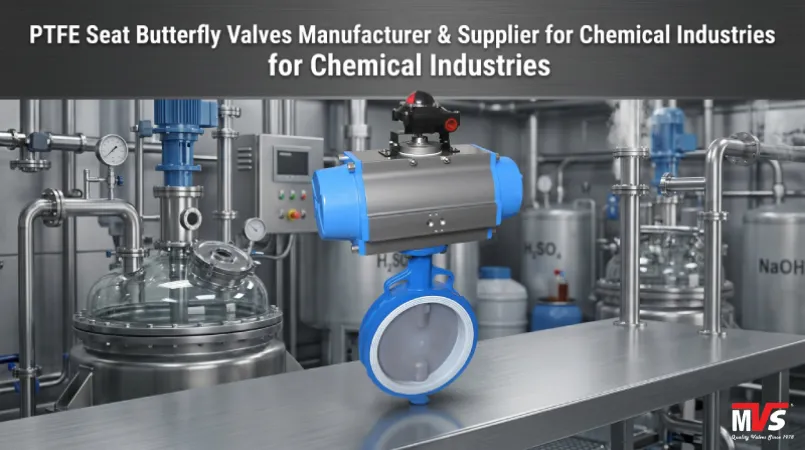
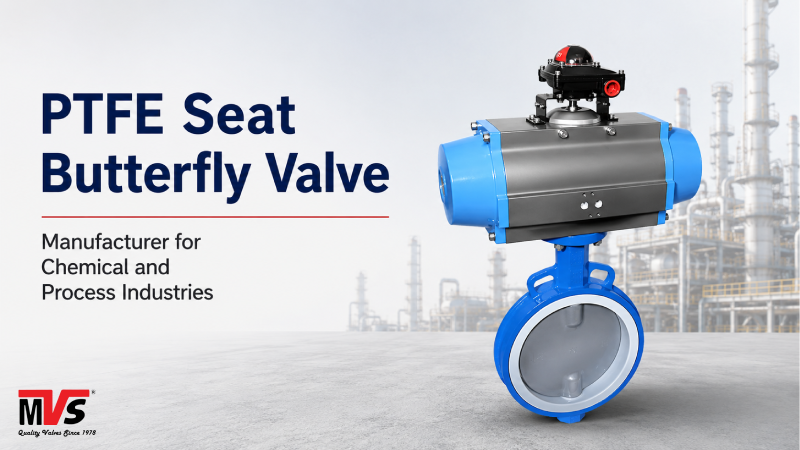
Mayur (Valves) System Private Limited is a leading manufacturer of PTFE seat butterfly valves for chemical and process industries. In industrial piping, the valve comes into direct contact with the flowing media, making its seat material, body construction, pressure requirements, and operating conditions important parts of product selection.
Chemical and process plants often handle fluids with different characteristics. A valve selected for one service condition may not automatically suit another. This is why PTFE seated butterfly valves are evaluated against actual process details before final selection.
For plant engineers, project consultants, maintenance teams, and industrial buyers, understanding valve construction and material options can make the procurement process far more focused.
Why PTFE Seat Butterfly Valves Matter in Process Industries
A butterfly valve controls or isolates flow through the movement of a disc within the valve body. An essential component of the valve’s internal sealing system is the seat.
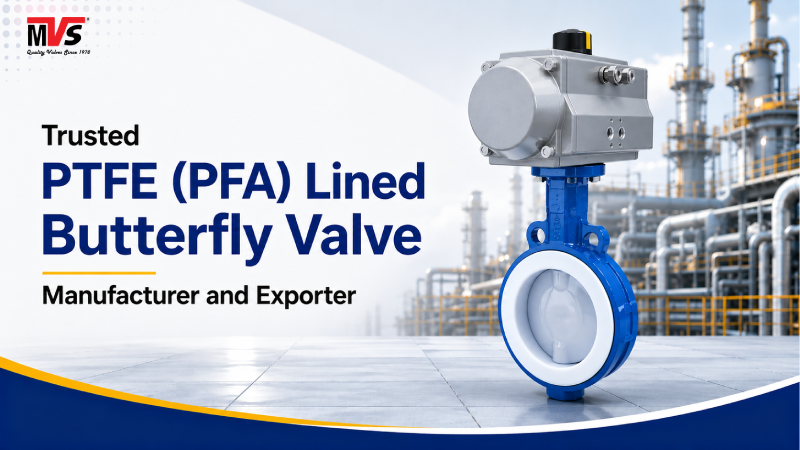
A PTFE Seated Butterfly Valve uses PTFE as part of the seating configuration. PTFE is widely recognised as an engineering material, but valve suitability still depends on the complete process specification, including media, temperature, pressure, and valve construction.
Chemical and process applications can differ considerably. The flowing media, concentration, operating cycle, temperature range, and piping specifications should be clearly reviewed.
At Mayur (Valves) System Private Limited, we believe technical clarity should come before valve selection. A detailed enquiry helps our team understand the actual application rather than working with general assumptions.
How Does a PTFE Seated Butterfly Valve Work?
The operating principle of a butterfly valve is relatively straightforward. A disc is positioned inside the valve body and connected to a stem. When operated, the disc rotates to open, close, or control the flow path based on the valve design and application.
The PTFE seating arrangement forms part of the sealing system. A PTFE-seated butterfly valve may be specified for process applications after evaluating the characteristics of the flowing medium and the required operating conditions.
Its compact valve design is one reason butterfly valves are considered across various industrial piping systems. However, size, pressure rating, end connection, actuation, body material, disc material, and seat selection should all match the project requirement.
Concentric Design for Industrial Flow Applications
Butterfly valves can be designed in different configurations. In a concentric design, the stem and disc arrangement follows the valve’s central axis configuration.
A concentric PTFE-seated butterfly valve may form part of a chemical or process piping specification where this valve design is suitable for the stated operating conditions.
The correct valve configuration should be selected by reviewing:
- Type of process media
- Operating and design temperature
- Pressure requirements
- Required valve size
- Body and disc materials
- Seat material requirements
- End connection and actuation needs
These points give engineers and procurement professionals a clearer base for technical discussions.
Body Material Options Based on Project Requirements
The valve body material is another important selection factor. Industrial projects may request different materials according to piping specifications, service conditions, or project documentation.
A carbon steel PTFE seated butterfly valve may be specified where carbon steel construction forms part of the stated valve requirement. The actual material grade and complete valve specification should be confirmed from project documents before product finalisation.
Similarly, if ductile iron is required for the intended use, a ductile iron PTFE seated butterfly valve may be taken into consideration. Buyers should communicate pressure, temperature, media, valve size, and connection requirements during the enquiry stage.
For projects with stainless steel construction requirements, a stainless steel PTFE seated butterfly valve may be evaluated against the requested material grade and operating conditions.
Material names alone should not be treated as a complete selection guide. Chemical compatibility, project specifications, and actual process data remain important.
API 609 Requirements and Technical Specifications
Industrial valve projects may refer to recognised valve standards within their technical documentation. When a project specifically calls for an API609 PTFE seated butterfly valve, buyers should clearly mention the applicable standard and required valve details in their enquiry.
Standards, pressure classes, dimensions, testing requirements, and material specifications can form part of a detailed project requirement. The exact scope should be reviewed against the customer’s technical documents.
Mayur (Valves) System Private Limited encourages customers to provide datasheets, material requirements, and relevant project specifications. This allows discussions to remain focused on the required valve configuration.
Where Are PTFE Seat Butterfly Valves Considered?
PTFE seat butterfly valves may be evaluated for chemical and process piping applications based on the properties of the media and the technical requirements of the plant.
Typical project discussions may involve process lines, chemical handling systems, industrial piping networks, and other flow control applications. This does not mean one valve configuration is suitable for every chemical or process medium.
Before selection, users should review the actual service conditions. Even within the same industry, two plants may have very different operating requirements.
This application-based approach is especially important when dealing with chemicals, varying temperatures, or specific material compatibility requirements.
What Should Buyers Share Before Ordering?
A detailed technical enquiry saves time and makes communication easier. Industrial buyers should ideally provide the following information:
- Valve size and quantity requirement
- Process media details
- Operating and design pressure
- Operating and design temperature
- Body and disc material requirements
- Seat material specification
- End connection details
- Manual or actuated operation requirements
- Applicable standards or project specifications
If a project datasheet is available, sharing it can help clarify the required valve construction.
After reviewing the data that customers have submitted, our staff examines valve requirements. We avoid treating every process application as identical because industrial conditions can change from one project to another.
Choosing a PTFE Seat Butterfly Valve Manufacturer
A valve manufacturer for chemical and process industries should understand the importance of specifications. Buyers need clear communication about materials, construction, operating requirements, and application details.
Mayur (Valves) System Private Limited focuses on industrial valve enquiries with an application-oriented approach. We work with the technical information shared by customers and understand that specialised process applications require careful product discussions.
When selecting a manufacturer, industrial buyers should communicate their complete requirements rather than relying only on a general product name. This creates a clearer technical and procurement process for both parties.
Major Valve Body Materials
Valve body material selection depends on the process medium, temperature, pressure class, and project specifications. Common materials used for industrial gate valve configurations include:
- ASTM A351 Gr. CF8M – 316 Stainless Steel
- ASTM A216 Gr. WCB – Carbon Steel
- ASTM A352 Gr. LCB – Low-Temperature Carbon Steel
- ASTM A351 Gr. CF3M – 316L Low-Carbon Stainless Steel
- ASTM A351 Gr. CF8 – 304 Stainless Steel
- ASTM A351 Gr. CF3 – 304L Low-Carbon Stainless Steel
- ASTM A351 Gr. CN7M – Alloy 20
- ASTM A494 Gr. CW-12M – Nickel-Based Alloy
- ASTM A494 Gr. M-35 – Monel Alloy
Available Valve Body Material Categories
Mayur (Valves) System Private Limited offers gate valve configurations in various body material categories, depending on valve design and application requirements. These include Carbon Steel, Low-Temperature Carbon Steel, Low-Alloy Steel, 13% Cr Stainless Steel, Austenitic Stainless Steel, Precipitation-Hardening Stainless Steel, Duplex and Super Duplex Stainless Steel, Nickel Alloys (825, 625, and 718), and Titanium.
Selecting the correct body material is important when specifying a Stainless Steel Gate Valve or other industrial gate valve for demanding operating conditions.
Global Supply and International Market Reach
We serve industrial and commercial requirements across global markets, providing products and solutions for diverse project and application needs. Our products are available for requirements in Australia, United States (USA), Canada, Mexico, Belgium, Germany, European Union, Netherlands, Spain, France, UK, Denmark, Sweden, Finland, Poland, Austria, Czech Republic, Romania, Italy, United Arab Emirates (UAE), Qatar, Saudi Arabia, Oman, Bahrain, Kuwait, Egypt, Nigeria, Kenya, South Africa, Morocco, Tunisia, Indonesia, Vietnam, Malaysia, Thailand, Philippines, Singapore, Kazakhstan, Sri Lanka, New Zealand, Costa Rica, Colombia, Argentina, Chile, Guyana, Kyrgyz Republic, Uzbekistan, Israel, Ireland, Greece, Jordan, Lebanon, Ethiopia, Uganda, Trinidad & Tobago, Japan, South Korea, Tanzania, Brazil, Panama, Azerbaijan, and Turkey.
We support international buyers and businesses seeking reliable products and solutions tailored to varied project specifications, industrial applications, and operational requirements.
Why Choose Us
Mayur (Valves) System Private Limited works with industrial customers, engineers, and procurement teams seeking valve solutions for specific process requirements. We focus on technical communication, customer specifications, material requirements, and application details while discussing PTFE seat butterfly valve enquiries. Our approach is practical and professional, with attention given to the information shared by the customer. We understand that chemical and process industries can have different operating conditions, so we encourage detailed enquiries and project specifications. Our team is available to discuss valve requirements and support customers with product-related information based on their stated industrial applications.
Conclusion
PTFE seat butterfly valves are considered in chemical and process industries where valve construction, seating arrangement, material selection, and operating conditions require careful evaluation. Buyers should review the process media, temperature, pressure, body material, valve size, actuation needs, and applicable project specifications before making a selection. A detailed technical enquiry creates better communication and helps identify the required valve configuration without unnecessary assumptions. Mayur (Valves) System Private Limited focuses on application-based industrial valve discussions and customer requirements. For chemical and process flow applications, share your technical details with our team to discuss a suitable PTFE seat butterfly valve requirement.
Looking for PTFE seat butterfly valves for chemical and process applications? Call +91 9998920298 or email mayurvalves@gmail.com to discuss your industrial valve requirements.
Frequently Asked Questions
What are PTFE seated butterfly valves and why are they used?
PTFE seated butterfly valves utilize PTFE as part of their seating configuration, making them suitable for applications involving corrosive chemicals and varied operating conditions. Their design allows for efficient flow control, isolation, and minimal pressure drop in industrial piping systems.
How do I select the right PTFE seated butterfly valve for my application?
Selecting the right PTFE seated butterfly valve involves reviewing the process media, temperature, pressure requirements, and valve specifications. It’s critical to consider factors such as body and disc materials, size, and whether the valve will be manually or automatically actuated.
What factors should I consider before ordering a PTFE seat butterfly valve?
Before ordering a PTFE seat butterfly valve, you should provide information such as valve size, process media characteristics, operating pressures, temperature ranges, and material requirements. This detailed technical enquiry helps streamline the procurement process.
Where are PTFE seat butterfly valves commonly used?
PTFE seat butterfly valves are commonly used in chemical and process industries, particularly for applications involving aggressive media and varying temperatures. They are suitable for process lines, chemical handling systems, and other flow control applications.
What is the importance of valve body material selection for PTFE seated butterfly valves?
The body material of PTFE seated butterfly valves greatly affects their performance and compatibility with the process media. Carefully selecting the right material, such as carbon steel, stainless steel, or ductile iron, ensures the valve meets the specific requirements of the operating environment.